Cloud Computing (Part 1)
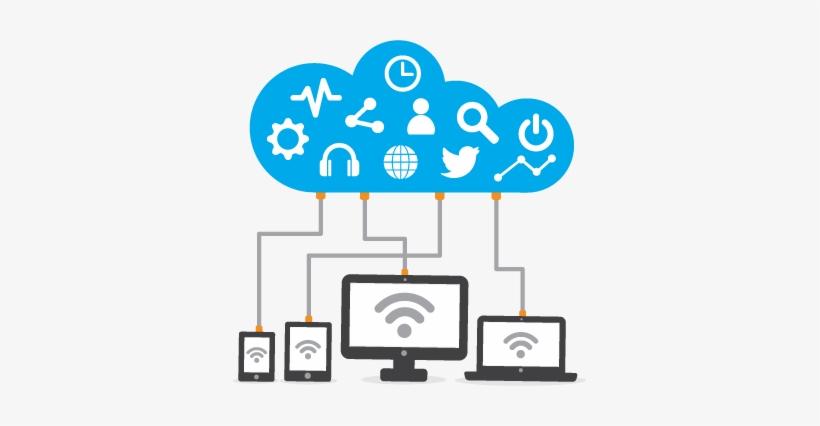
Cloud computing is a type of computing that relies on shared computing resources rather than having local servers or personal devices to handle applications.
In its most simple description, cloud computing is taking services and moving them outside an organization's firewall. Applications, storage and other services are accessed via the Web. The services are delivered and used over the Internet and are paid for by the cloud customer on an as-needed or pay-per-use business model.
According to the National Institute of Stands and Technology (NIST) all true cloud environments have five key characteristics:
- On-demand self-service
- Broad network access
- Resource pooling
- Rapid elasticity or expansion
- Measured service
Cloud computing can be divided into several sub-categories depending on the physical location of the computing resources and who can access those resources.
Public Cloud
vendors offer their computing services to anyone in the general public. They maintain large data centers full of computing hardware, and their customers share access to that hardware.
Private Cloud
It is a cloud environment set aside for the exclusive use of one organization. Some large enterprises choose to keep some data and applications in a private cloud for security reasons, and some are required to use private clouds in order to comply with various regulations.
Organizations have two different options for the location of a private cloud: they can set up a private cloud in their own data centers or they can use a hosted private cloud service. With a hosted private cloud, a public cloud vendor agrees to set aside certain computing resources and allow only one customer to use those resources.
Hybrid Cloud
A combination of both a public and private cloud with some level of integration between the two. For example, in a practice called "cloud bursting" a company may run Web servers in its own private cloud most of the time and use a public cloud service for additional capacity during times of peak use.
A multi-cloud environment is similar to a hybrid cloud because the customer is using more than one cloud service. However, a multi-cloud environment does not necessarily have integration among the various cloud services, the way a hybrid cloud does. A multi-cloud environment can include only public clouds, only private clouds or a combination of both public and private clouds.
follow this link :

No comments:
Write comments